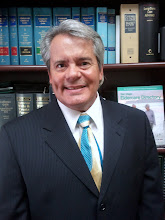
As 2009 quickly approaches, several new laws affecting elder and nursing home abuse will take effect on January 1. Hopefully, they will help protect elders from financial abuse and encourage and make it easier for nursing home residents and their families to report theft and abuse in nursing homes.
Several Laws Aim to Protect Elders from Financial Abuse
Financial abuse is one of the greatest threats to elders. Whether it is by family members, nursing homes and their staff, or scam artists who are complete strangers, elders are particularly vulnerable because of their often poor health and mental state. The most important law taking effect at the start of 2009 will amend the Elder Abuse and Dependent Adult Civil Protection Act. The law’s goal is to make it easier for elders and their families to recover from financial abuse due to undue influence. Undue influence occurs when someone pressures an elder to give away money that he or she would not normally have voluntarily given.
This law also makes it easier for families to sue by extending the statute of limitations to four years. Therefore, if you believe a family member has made a financial decision due to undue influence, you now have four years in which to sue for recovery. An extra year can be very helpful because it can often take some time to discover that financial abuse has occurred.
Law Hopes to Encourage Reporting of Property Theft in Nursing Homes
Supporters of another important law taking effect January 1 hope that it will encourage elders and their relatives to report stolen property – primarily cash and valuables like jewelry – to the local police and ombudsman offices, and not just to the nursing home administration. The new law would require local police and the ombudsman to immediately report suspected or known theft and abuse to the local District Attorney’s Office.
According to San Diego County Deputy District Attorney Paul Greenwood, nursing home staff will often keep reported thefts quiet and handle such matters internally instead of going to the police. This means that property is often never recovered, because many nursing homes say that most property is simply lost and misplaced by elderly residents, as opposed to being stolen by staff.
The best way to prevent elders’ valuables from being stolen is to remove them from the nursing home and store them in a secure place. Also, family members should immediately report any missing items to the nursing home administration, but if the property is not recovered within a day, they should contact the police directly.
Thank you for reading my blog. If you have a question or comment, feel free to respond to this posting, but keep in mind your response will not be confidential. If you or a loved one have been the victim of abuse, negligence, or neglect by a nursing home, contact an attorney to find out your legal rights and options. You can also contact me to discuss your matter confidentially.
Monday, December 8, 2008

Thursday, November 13, 2008
$3.8 Million Budget Cut to the Ombudsman Program May Put California Elders at Risk
On September 23, 2008, Governor Arnold Schwarzenegger signed the 2008-2009 California budget. A small line in this budget included a $3.8 million budget cut to the funding of the state’s long-term care ombudsman program. Retroactive to July 1, the cut removes almost half of the state’s funding for this program.
The California ombudsman program, which is mandated by both state and federal law, sends volunteers into nursing home and other long-term care facilities to monitor and investigate patient treatment and to respond to and settle complaints about nursing home abuse or neglect. State-certified volunteers do much of the work, which includes visiting nursing homes and responding to complaints by patients and their relatives. Advocates of the program say the ombudsmen help protect vulnerable elders, most of whom who have no friends or relatives to visit them and monitor their treatment.
The budget cut came just days after the Inspector General of the Department of Health and Human Services released a federal government report about nursing home abuse and neglect nationwide. While 90 percent of nursing homes around the country were found to be deficient in some way, the report revealed that a staggering 99 percent of California’s nursing homes are violating federal standards.
Budget Cut Already Forcing California Ombudsman Program Office Closures
Because the budget cut was retroactive to July 1, 2008, the effects on the ombudsman program offices are being felt immediately. Already, one of the nearly three dozen county and local offices has had to close; others have had to cut their staffs in half due to losing over half of their annual budgets. Some offices now have just two staffers left to respond to thousands of annual complaints across hundreds of facilities. One office in Northern California has even seen its budget cut completely.
These office closures will potentially have a devastating impact on the way California’s elders are treated in nursing homes around the state. Considering the federal report’s findings about the state of California’s nursing homes, many groups are concerned that already vulnerable elders are at an enormous risk for abuse and neglect that will go unreported.
Outrage in California’s Senior Citizen Community
Many advocacy and senior citizen groups have already expressed anger at this budget cut. Seniors Organizing Seniors, one of the groups that organized a protest in Sacramento, is especially concerned about the cut to the ombudsman program because of the increasing number in nursing home abuse and neglect complaints. California Advocates for Nursing Home Reform (CANHR) (http://www.canhr.org/index.html), the statewide advocacy group for nursing home patients, agrees. CANHR has also questioned the cuts because funding for the statewide ombudsman office, which oversees the program on a state level but provides no services to nursing home residents, was not cut, and none of the state office’s funds have been redirected to the local offices that are now struggling.
Seniors have vowed to keep protesting and fighting until Governor Schwarzenegger reinstates the funding to this and other programs that were cut in the budget.
Thank you for reading my blog. If you suspect that a loved one has been a victim of nursing home abuse or neglect, contact me for immediate assistance.
The California ombudsman program, which is mandated by both state and federal law, sends volunteers into nursing home and other long-term care facilities to monitor and investigate patient treatment and to respond to and settle complaints about nursing home abuse or neglect. State-certified volunteers do much of the work, which includes visiting nursing homes and responding to complaints by patients and their relatives. Advocates of the program say the ombudsmen help protect vulnerable elders, most of whom who have no friends or relatives to visit them and monitor their treatment.
The budget cut came just days after the Inspector General of the Department of Health and Human Services released a federal government report about nursing home abuse and neglect nationwide. While 90 percent of nursing homes around the country were found to be deficient in some way, the report revealed that a staggering 99 percent of California’s nursing homes are violating federal standards.
Budget Cut Already Forcing California Ombudsman Program Office Closures
Because the budget cut was retroactive to July 1, 2008, the effects on the ombudsman program offices are being felt immediately. Already, one of the nearly three dozen county and local offices has had to close; others have had to cut their staffs in half due to losing over half of their annual budgets. Some offices now have just two staffers left to respond to thousands of annual complaints across hundreds of facilities. One office in Northern California has even seen its budget cut completely.
These office closures will potentially have a devastating impact on the way California’s elders are treated in nursing homes around the state. Considering the federal report’s findings about the state of California’s nursing homes, many groups are concerned that already vulnerable elders are at an enormous risk for abuse and neglect that will go unreported.
Outrage in California’s Senior Citizen Community
Many advocacy and senior citizen groups have already expressed anger at this budget cut. Seniors Organizing Seniors, one of the groups that organized a protest in Sacramento, is especially concerned about the cut to the ombudsman program because of the increasing number in nursing home abuse and neglect complaints. California Advocates for Nursing Home Reform (CANHR) (http://www.canhr.org/index.html), the statewide advocacy group for nursing home patients, agrees. CANHR has also questioned the cuts because funding for the statewide ombudsman office, which oversees the program on a state level but provides no services to nursing home residents, was not cut, and none of the state office’s funds have been redirected to the local offices that are now struggling.
Seniors have vowed to keep protesting and fighting until Governor Schwarzenegger reinstates the funding to this and other programs that were cut in the budget.
Thank you for reading my blog. If you suspect that a loved one has been a victim of nursing home abuse or neglect, contact me for immediate assistance.
Wednesday, October 15, 2008
Update on Investigation of Elder Abuse at Calabasas Nursing Home
Investigation of Death Led to Allegations of Senior Abuse
In a prior blog entry, we followed the investigation into the death of Elmore Kittower, an 80 year-old resident of Silverado Senior Living in Calabasas. Kittower’s widow, Rita, was told by a woman claiming to be a nursing home employee that her husband had been beaten and suffocated by another employee at the nursing home. This led to an investigation by the Los Angeles County Sheriff’s Department and resulted in a finding that the trauma to the body was consistent with an assault.
The Los Angeles Times reported this week that the investigation of Silverado has been expanded to include the examination of the possible abuse of three other elderly residents of the nursing home. Cesar Ulloa, a former Silverado caregiver, is alleged to have abused the three other residents. Ulloa has been charged with four counts of elder abuse and one count of torture. Ulloa entered a not guilty plea, when he was arraigned in Los Angeles Superior Court.
An autopsy performed on Kittower, the resident whose death sparked the investigation, revealed that he died due to lung blood clot. However, the report also indicated that “blunt force trauma” played a role in his death. Moreover, Kittower’s body had multiple bruises and evidence of a recently partially healed rib fracture.
Another resident of Silverado that was allegedly harmed was the mother of Keith Stubbs. Stubbs was told by authorities that his mother was awakened and forced out of bed by having her chest jumped on. Stubbs’ mother had a brain condition that prevented her from being able to speak, preventing her from reporting any possible abuse.
Ulloa’s other alleged victims are two other Silverado residents, Richard McDonough and Robert Turner. Turner’s nephew, Richard Skowronek, indicates that he was told by authorities that, at the very least, his uncle was punched in his stomach.
A spokesman for Silverado, Mark Mostow, said that the company screens its potential employees, which includes background checks, and that all employees undergo an elder-abuse reporting program that the California Department of Justice conducts. Mostow indicated that Ulloa, who Silverado fired last year, seemed to have a friendly and outgoing demeanor that was well received by the families of residents of Silverado.
Stubbs indicated that he did not suspect that his mother had been abused. However, in retrospect Stubbs noted he started seeing bruises on his mother’s arms and neck even prior to Ulloa beginning work at the nursing home, and that more recently he noticed that his mother recoiled when visiting loved ones touched her, which she had not done previously.
The California Office of the Attorney General reports that between 2005 and 2006, there were 108 criminal filings and 60 convictions involving elder abuse, and 25 civil complaints filed and 22 civil judgments. A total of $4,806,652 was awarded in those years in restitution and penalties, from both criminal and civil cases.
Families of nursing home residents must be vigilant in their observations to protect their loved ones from possible abuse. The California Attorney General’s Crime and Violence Prevention Center suggests that you look for the following possible indicators of abuse:
In a prior blog entry, we followed the investigation into the death of Elmore Kittower, an 80 year-old resident of Silverado Senior Living in Calabasas. Kittower’s widow, Rita, was told by a woman claiming to be a nursing home employee that her husband had been beaten and suffocated by another employee at the nursing home. This led to an investigation by the Los Angeles County Sheriff’s Department and resulted in a finding that the trauma to the body was consistent with an assault.
The Los Angeles Times reported this week that the investigation of Silverado has been expanded to include the examination of the possible abuse of three other elderly residents of the nursing home. Cesar Ulloa, a former Silverado caregiver, is alleged to have abused the three other residents. Ulloa has been charged with four counts of elder abuse and one count of torture. Ulloa entered a not guilty plea, when he was arraigned in Los Angeles Superior Court.
An autopsy performed on Kittower, the resident whose death sparked the investigation, revealed that he died due to lung blood clot. However, the report also indicated that “blunt force trauma” played a role in his death. Moreover, Kittower’s body had multiple bruises and evidence of a recently partially healed rib fracture.
Another resident of Silverado that was allegedly harmed was the mother of Keith Stubbs. Stubbs was told by authorities that his mother was awakened and forced out of bed by having her chest jumped on. Stubbs’ mother had a brain condition that prevented her from being able to speak, preventing her from reporting any possible abuse.
Ulloa’s other alleged victims are two other Silverado residents, Richard McDonough and Robert Turner. Turner’s nephew, Richard Skowronek, indicates that he was told by authorities that, at the very least, his uncle was punched in his stomach.
A spokesman for Silverado, Mark Mostow, said that the company screens its potential employees, which includes background checks, and that all employees undergo an elder-abuse reporting program that the California Department of Justice conducts. Mostow indicated that Ulloa, who Silverado fired last year, seemed to have a friendly and outgoing demeanor that was well received by the families of residents of Silverado.
Stubbs indicated that he did not suspect that his mother had been abused. However, in retrospect Stubbs noted he started seeing bruises on his mother’s arms and neck even prior to Ulloa beginning work at the nursing home, and that more recently he noticed that his mother recoiled when visiting loved ones touched her, which she had not done previously.
The California Office of the Attorney General reports that between 2005 and 2006, there were 108 criminal filings and 60 convictions involving elder abuse, and 25 civil complaints filed and 22 civil judgments. A total of $4,806,652 was awarded in those years in restitution and penalties, from both criminal and civil cases.
Families of nursing home residents must be vigilant in their observations to protect their loved ones from possible abuse. The California Attorney General’s Crime and Violence Prevention Center suggests that you look for the following possible indicators of abuse:
Physical indicators
- Unexplained bruises or welts
- Poor skin condition or poor skin hygiene
- Untreated medical condition
- Cuts, pinch marks, skin tears, lacerations or puncture wounds
- Bruises or welts in various stages of healing
Behavior Indicators
- Confusion, withdrawal, fear, or anger
Social Indicators
- Interaction or activity within the family is restricted or prohibited
- Not given the opportunity to speak for him/herself or see others without the care-giver present
Financial Indicators
- Lack of amenities - TV, personal grooming items, appropriate clothing
For further information on the warning signs of elder abuse, visit the California Attorney General’s Crime and Violence Prevention Center at www.safestate.org.
Thanks for reading my blog. If you suspect that a loved one has been a victim of nursing home abuse or neglect, contact me for immediate assistance.
Monday, September 29, 2008
Governor Schwarzenegger Signs Elder Abuse Bills into Law
California Governor Arnold Schwarzenegger signed several bills designed to protect the elderly into law this week. The new laws provide a plan for the elderly in the event of a disaster and offer greater protection for the elderly from financial elder abuse. The following is a brief synopsis of these new laws:
Two bills targeting nursing home and residential care facilities were signed this week:AB 2370 is aimed at preventing nursing homes from hiking their rates without notice. The law requires residential care facilities to annually post information regarding recent rate increases, requires the disclosure of rate increase information to new residents, and, upon request, to requires the disclosure of rate increase information to prospective residents.
AB 749 is designed to protect the elderly in the event of a disaster or major power outage. The law requires residential care facilities to have a comprehensive emergency plan by March 1, 2009 that provides that the facility will be self-reliant if necessary for at least 72 hours. The plan must be available to residents and emergency personnel.
The following bills are designed to offer greater protection from physical abuse to the elderly and their families:
AB 2100 is designed to encourage people to come forward with suspicions of elder abuse. The law requires ombudspersons at long-term care facilities to report cases of alleged or suspected physical abuse, including sexual abuse, and financial abuse to the local district attorney’s office.
AB 225 applies to restraining orders issued in elder abuse cases. The law extends the protection of a restraining order to include named family members, household members and conservators of the elder abuse victim.
The following three bills are aimed at those who run scams targeting the elderly or are engaged in financial elder abuse:
SB 1136 makes it a misdemeanor to charge an “unconscionable fee” to qualify a person for a public social service benefit, including Medi-Cal.
AB 2149 regulates the use of “expertise” designations and requires advisors to take training courses before holding themselves out as having specialized knowledge regarding the financial needs of seniors. The bill is designed to prevent the elderly from falling prey to unscrupulous financial advisors who claim to be experts on financial planning for the elderly.
SB 1140 extends the statute of limitations for a claim for damages due to financial elder abuse to four years from the plaintiff discovers, or should have discovered, the abuse. Presently, the statute of limitations on such a claim is three years. In addition, the definition of financial abuse of an elder is expanded to include the action of taking, appropriating, obtaining or retaining, real or personal property by undue influence.
Thanks for reading my blog. If you suspect that a loved one has been the victim of physical, financial or sexual elder abuse, contact me for assistance.
Two bills targeting nursing home and residential care facilities were signed this week:AB 2370 is aimed at preventing nursing homes from hiking their rates without notice. The law requires residential care facilities to annually post information regarding recent rate increases, requires the disclosure of rate increase information to new residents, and, upon request, to requires the disclosure of rate increase information to prospective residents.
AB 749 is designed to protect the elderly in the event of a disaster or major power outage. The law requires residential care facilities to have a comprehensive emergency plan by March 1, 2009 that provides that the facility will be self-reliant if necessary for at least 72 hours. The plan must be available to residents and emergency personnel.
The following bills are designed to offer greater protection from physical abuse to the elderly and their families:
AB 2100 is designed to encourage people to come forward with suspicions of elder abuse. The law requires ombudspersons at long-term care facilities to report cases of alleged or suspected physical abuse, including sexual abuse, and financial abuse to the local district attorney’s office.
AB 225 applies to restraining orders issued in elder abuse cases. The law extends the protection of a restraining order to include named family members, household members and conservators of the elder abuse victim.
The following three bills are aimed at those who run scams targeting the elderly or are engaged in financial elder abuse:
SB 1136 makes it a misdemeanor to charge an “unconscionable fee” to qualify a person for a public social service benefit, including Medi-Cal.
AB 2149 regulates the use of “expertise” designations and requires advisors to take training courses before holding themselves out as having specialized knowledge regarding the financial needs of seniors. The bill is designed to prevent the elderly from falling prey to unscrupulous financial advisors who claim to be experts on financial planning for the elderly.
SB 1140 extends the statute of limitations for a claim for damages due to financial elder abuse to four years from the plaintiff discovers, or should have discovered, the abuse. Presently, the statute of limitations on such a claim is three years. In addition, the definition of financial abuse of an elder is expanded to include the action of taking, appropriating, obtaining or retaining, real or personal property by undue influence.
Thanks for reading my blog. If you suspect that a loved one has been the victim of physical, financial or sexual elder abuse, contact me for assistance.
Tuesday, September 2, 2008
Class Action Lawsuits Against Nursing Homes
This week a class action lawsuit against the corporate owner of a group of nursing homes in Southern California was settled for $2 million. The lawsuit was filed on behalf of residents who were promised a high level of care by the nursing home operator. The lawsuit alleged that while the residents were promised quality care, the nursing homes were understaffed and the owners knew they could not provide the promised level of care given their level of staffing. The residents sued, alleging the owner’s conduct constituted fraud. During the course of the lawsuit, it was discovered that one of the nursing homes in question had 77 health and safety violations within the past four years.
A similar class action lawsuit has recently been filed in the state of Washington against the corporate owner of 15 nursing homes in Washington, accusing the owner of luring residents in with false advertising and charging for services that were never provided. The lawsuit also alleges that the nursing homes were understaffed and that the quality of care suffered as a result of understaffing.
A nursing home class action lawsuit is a lawsuit brought by an individual resident or a group of residents, on behalf of a much larger group with the same or similar problem or complaint. A class action lawsuit is typically brought where others have been injured in the same manner and it is too expensive or impractical to bring an individual lawsuit. Nursing home class action lawsuits serve an important function in that they provide oversight and force nursing home owners to improve the quality of the care they provide.
Nursing homes are in the business to earn a profit, and in striving to maximize their profits, many nursing homes fail to maintain an appropriate level of staffing and are seriously understaffed. There is a direct correlation between the quality of care and the level of staffing; if a facility doesn’t have enough staff, the incidences of elder abuse and neglect are significantly higher. When you are considering a nursing home facility, be sure to ask about the staff to resident ratio.
If you or a loved one have been the victim of abuse, negligence or neglect by a nursing home, contact an attorney to find out your legal rights and options. If you have a question or comment, feel free to respond to this posting, but keep in mind your response will not be confidential. You can also call or e-mail me to discuss your matter confidentially. Thanks for reading.
A similar class action lawsuit has recently been filed in the state of Washington against the corporate owner of 15 nursing homes in Washington, accusing the owner of luring residents in with false advertising and charging for services that were never provided. The lawsuit also alleges that the nursing homes were understaffed and that the quality of care suffered as a result of understaffing.
A nursing home class action lawsuit is a lawsuit brought by an individual resident or a group of residents, on behalf of a much larger group with the same or similar problem or complaint. A class action lawsuit is typically brought where others have been injured in the same manner and it is too expensive or impractical to bring an individual lawsuit. Nursing home class action lawsuits serve an important function in that they provide oversight and force nursing home owners to improve the quality of the care they provide.
Nursing homes are in the business to earn a profit, and in striving to maximize their profits, many nursing homes fail to maintain an appropriate level of staffing and are seriously understaffed. There is a direct correlation between the quality of care and the level of staffing; if a facility doesn’t have enough staff, the incidences of elder abuse and neglect are significantly higher. When you are considering a nursing home facility, be sure to ask about the staff to resident ratio.
If you or a loved one have been the victim of abuse, negligence or neglect by a nursing home, contact an attorney to find out your legal rights and options. If you have a question or comment, feel free to respond to this posting, but keep in mind your response will not be confidential. You can also call or e-mail me to discuss your matter confidentially. Thanks for reading.
Sunday, July 27, 2008
Fairness in Nursing Home Arbitration Act
Earlier this week the House Judiciary Subcommittee on Commercial Law and Administrative law approved the federal Fairness in Nursing Home Arbitration Act, which would preclude nursing homes from forcing patients to sign an arbitration agreement prior to a dispute. Consumer advocates including the AARP and the Alzheimer’s Association supported the Act. The Act doesn’t preclude binding arbitration as an option in the event of a dispute, but instead requires the decision to be made by both parties after a dispute occurs.
Arbitration is an alternative method of dispute resolution that does not require going to court. Instead of a court proceeding, an arbitrator is appointed to hear both sides of the dispute and issue a ruling. The arbitrator considers both federal and state law when resolving the dispute. Advocates of arbitration say it provides a faster resolution and is less expensive for both the nursing home and the resident. Critics of arbitration note that arbitrators are less likely to rule for the plaintiff, and if they do, the awards are generally smaller. Critics also note that since arbitration is confidential, it leads to less accountability on the part of the nursing home, and shields the nursing home owner from the consequences of allowing abuse or neglect to occur.
The Fairness in Nursing Home Arbitration Act (the “Act”) was designed to prevent patients from signing away their right to have a dispute heard in court. The Act recognizes that entering a nursing home can be a stressful event, and often occurs after a patient has experienced a serious or long illness. The patient may also be under medication that impairs their judgment or ability to understand the admission documents. In the State of California, nursing homes are not permitted by law to include an arbitration clause in their contracts for admission of a patient. However, most nursing homes do have an optional arbitration clause provision that they attach to the admission contract as an attachment or addendum. Many patients sign this attachment without fully understanding their rights or that they have waived their right to a trial before a judge or jury.
The Act invalidates any pre-dispute arbitration agreement between a nursing home and resident. Some members of the committee attempted to modify the bill, by trying to ensure that the bill would not be retroactive, or by attempting to exclude nursing home physicians. These modifications were rejected. The committee’s approval of the Act makes it one step closer to becoming law. I will keep you posted on further developments.
If you or a family member is entering a nursing home, read all of the admission documents carefully. If you don’t understand something, don’t sign it until you’ve consulted an attorney. Remember, under California law, they can’t make you sign an arbitration clause as a condition to admission.
Thanks for reading. If you have a question or comment, please feel free to post it here. If you have a question or need assistance with a potential claim against a nursing home or assisted living facility, contact me for a confidential consultation.
Arbitration is an alternative method of dispute resolution that does not require going to court. Instead of a court proceeding, an arbitrator is appointed to hear both sides of the dispute and issue a ruling. The arbitrator considers both federal and state law when resolving the dispute. Advocates of arbitration say it provides a faster resolution and is less expensive for both the nursing home and the resident. Critics of arbitration note that arbitrators are less likely to rule for the plaintiff, and if they do, the awards are generally smaller. Critics also note that since arbitration is confidential, it leads to less accountability on the part of the nursing home, and shields the nursing home owner from the consequences of allowing abuse or neglect to occur.
The Fairness in Nursing Home Arbitration Act (the “Act”) was designed to prevent patients from signing away their right to have a dispute heard in court. The Act recognizes that entering a nursing home can be a stressful event, and often occurs after a patient has experienced a serious or long illness. The patient may also be under medication that impairs their judgment or ability to understand the admission documents. In the State of California, nursing homes are not permitted by law to include an arbitration clause in their contracts for admission of a patient. However, most nursing homes do have an optional arbitration clause provision that they attach to the admission contract as an attachment or addendum. Many patients sign this attachment without fully understanding their rights or that they have waived their right to a trial before a judge or jury.
The Act invalidates any pre-dispute arbitration agreement between a nursing home and resident. Some members of the committee attempted to modify the bill, by trying to ensure that the bill would not be retroactive, or by attempting to exclude nursing home physicians. These modifications were rejected. The committee’s approval of the Act makes it one step closer to becoming law. I will keep you posted on further developments.
If you or a family member is entering a nursing home, read all of the admission documents carefully. If you don’t understand something, don’t sign it until you’ve consulted an attorney. Remember, under California law, they can’t make you sign an arbitration clause as a condition to admission.
Thanks for reading. If you have a question or comment, please feel free to post it here. If you have a question or need assistance with a potential claim against a nursing home or assisted living facility, contact me for a confidential consultation.
Tuesday, June 24, 2008
New Rating System for Nursing Homes
The Centers for Medicare and Medicaid Services (CMS) announced this week the implementation of a new rating system for nursing homes. Nursing homes will soon be rated on a 5-star scale, similar to the way hotels and restaurants are currently rated by critics, with one star being the lowest rating and five stars the highest possible rating. The new system is designed to assist families in determining the best facilities in their area. The new system will appear on Medicare’s “Nursing Home Compare” Web site, hopefully before the end of 2008.
Nursing Home Compare basic staffing information, general findings of inspection reports for the past three years, and a list of quality indicators. Quality indicators include the percentage of residents subject to some form of restraint; percentage of residents with pressure sores; and percentage of residents who have lost too much weight. Some have criticized the current Web site as being difficult to navigate.
The new system is designed to make it easier for consumers to evaluate a home and distinguish one facility’s performance from another. Proponents of the new system believe it will hold nursing homes accountable and force underperforming facilities to improve their standard of care.
CMS is currently holding a period of public comment to determine the best method of translating inspection reports and quality indicators into star ratings and to allow the public to suggest other information that should be included in the ratings. Many hope that the ratings will take into consideration resident satisfaction surveys, which most homes already conduct on an annual basis. Advocates of including these survey results in the ratings state that it is important to give the families of the residents some input in the facility’s rating. The first ratings are expected to be completed by December. Ratings will be updated quarterly.
Regardless of the new rating system, it is important to personally check out a nursing facility. A rating system should not be a substitute for your own observations and best judgment. If you have a comment, feel free to post it here, but keep in mind your posting will not be confidential. If you have a question or need assistance with a matter involving a nursing home or assisted living facility, call my office for immediate assistance. Thanks for reading my blog.
Nursing Home Compare basic staffing information, general findings of inspection reports for the past three years, and a list of quality indicators. Quality indicators include the percentage of residents subject to some form of restraint; percentage of residents with pressure sores; and percentage of residents who have lost too much weight. Some have criticized the current Web site as being difficult to navigate.
The new system is designed to make it easier for consumers to evaluate a home and distinguish one facility’s performance from another. Proponents of the new system believe it will hold nursing homes accountable and force underperforming facilities to improve their standard of care.
CMS is currently holding a period of public comment to determine the best method of translating inspection reports and quality indicators into star ratings and to allow the public to suggest other information that should be included in the ratings. Many hope that the ratings will take into consideration resident satisfaction surveys, which most homes already conduct on an annual basis. Advocates of including these survey results in the ratings state that it is important to give the families of the residents some input in the facility’s rating. The first ratings are expected to be completed by December. Ratings will be updated quarterly.
Regardless of the new rating system, it is important to personally check out a nursing facility. A rating system should not be a substitute for your own observations and best judgment. If you have a comment, feel free to post it here, but keep in mind your posting will not be confidential. If you have a question or need assistance with a matter involving a nursing home or assisted living facility, call my office for immediate assistance. Thanks for reading my blog.
Subscribe to:
Comments (Atom)