Assembly Bill 392, signed into law on August 6, 2009, restores $1.6 million for local Long-Term Care Ombudsman programs. With this funding, local ombudsman programs should be able to reinstate some of the staff and services lost due to last year's budget cuts, providing critical monitoring of abuse and neglect in nursing homes and other long-term care facilities.
In 2008, about half of the Ombudsman budget, $3.8 million, was cut from the state budget in a gubernatorial veto. AB 392 restores less than half of that amount, which means the ombudsman programs will still operate with less staff and services than in the past, but hopefully with enough resources to address the most critical complaints.
Funding for the program will come from compliance penalties paid by nursing homes, so AB 392 should not have any direct impact on the state's General Fund.
The requirement for a long-term care ombudsman is actually a creature of federal law. Since 1978, the Older Americans Act has required every state to have an ombudsman program to receive and investigate complaints made by or on behalf of nursing home residents, and to advocate for changes and improvements in the long-term care system.
The author of AB 392, Assembly Member Mike Feuer (D-Los Angeles), was recently recognized as a 2009 True Friend of Seniors by the California Congress of Seniors for his work in securing passage of the bill.
Senior citizens are particularly vulnerable to abuse due to physical and mental incapacity. Nursing home residents are at even greater risk due to isolation from the public, friends, and family who might notice abuse or neglect or to whom the victims could complain. Local ombudsmen programs fulfill vital functions by conducting surprise visits to facilities and investigating complaints that come to their attention.
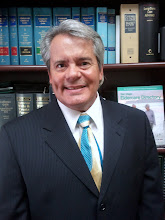
With the ombudsman program only partially restored, it is more critical than ever that residents have access to a voice to speak on their behalf. The Casiano Law Firm is dedicated to fighting nursing home abuse and serving the legal needs of seniors and their families. If you have personally experienced nursing home abuse or neglect or have a loved one in a facility and suspect abuse or neglect, contact me immediately for a confidential consultation.
Wednesday, September 2, 2009

Wednesday, August 12, 2009
California Budget Cuts May Lead to Devastating Results for the Elderly
On July 28, 2009, Governor Arnold Schwarzenegger used his line-item veto powers to impose approximately $500 million in additional cuts to the state's budget plan. Significant cuts were made that affect society's most vulnerable individuals--children, the disabled, and the elderly. Approximately $6.3 million in services to the elderly were cut.
Affected Services
The services that were affected by the cuts and impact the elderly specifically include:
- In-Home Supportive Services (IHSS): Enables the elderly and disabled, who are eligible, to remain in their own homes. California's IHSS program helps pay for various services, such as personal care services, meal preparation, and housecleaning services.
- California Department of Aging-Linkages Program: Assists elderly adults and disabled adults, who wish to remain in their own homes, obtain comprehensive care management.
- Medi-Cal: This is California's Medicaid program that provides health care to low-income elderly individuals and people with disabilities.
Other services that were impacted include aging and community programs and certain public health programs.
Potential Effects
The budget cuts severely impact home and community care programs that provide services to the elderly. These programs enable elderly people, who wish to remain at home, continue to receive services and care at their residence. Some expect that due to the cuts to these programs, there will be a sharp increase in nursing home admissions.
If there is a significant increase in nursing home admissions, there may be an increased incidence of nursing home abuse. If there is not enough staff to properly supervise and care for residents, this lack of supervision may lead to neglect and abandonment. Residents could also potentially injure themselves or others if there is inadequate supervision.
Even if the elderly person chooses to remain in his or her home, now there is a much higher risk that without adequate resources, the elderly person may not receive appropriate care. With less financial assistance, elderly people may also hire less-than-qualified caregivers to assist them, which could potentially lead to physical, emotional, sexual, verbal, or financial abuse or neglect.
Example of a Program Impacted by the Budget Cut
The Los Angeles Times stated that about 27,000 low-income seniors rely on a program which provides them with brown-bag lunches. Farms and other food producers donate the food and about 900 volunteers participate in the program. Before the passage of the current budget, California contributed $541,000 to the program for administrative services. Administration officials have admitted though that if the cuts go into effect, the program may fall apart, leading to potentially malnourished elderly adults.
Although the full impact of the budget cuts remain to be seen, individuals should be mindful of the negative potential effects these cuts may have on the elderly population. If you have experienced elder abuse or suspect elder abuse or neglect, contact me for assistance today.
Thursday, July 9, 2009
Increase in Demand for Senior Services May Lead to “Senior Tsunami”
As soldiers returned home from World War II and America entered into a new era of growth and prosperity, our country saw a spike in the birth rate, known as the baby boom. These “baby boomers” are no longer babies, but are now seniors in their sixties.
But it is not only the baby boomers who contribute to our country’s elder population. The growth rate of the elderly population greatly exceeded that of the population as a whole throughout the entire twentieth century, and this trend continues into the twenty-first century. The reason for this growth rate is most likely due to the incredible advancements made in science and health, which have contributed to much longer, healthier lives for people on average, compared to their nineteenth century counterparts or any era before.
While our elders are for the most part enjoying a higher quality of life in their later years than perhaps their ancestors did, they still need access to a variety of health services, which continues as they grow older.
Unfortunately, this growing segment is expanding in a time when financial pressures are placing severe constraints on public budgets. Unemployment is up and tax revenues are down, which means that public agencies have to fight over scarce resources. These agencies include the Department of Health Services (Medi-Cal) and numerous health care facilities, including hospitals, urgent care, home health and long-term care resources. Even private nursing homes are not immune. These facilities are regulated and overseen by public agencies, and as that system’s resources become overburdened, the quality of care in nursing homes can decline dramatically and incidents of abuse can go unreported and uncorrected.
A recent report in Los Angeles County referred to an upcoming “senior tsunami” and cited numerous instances where local government is falling short of meeting the needs of its senior citizens. Major areas identified included a lack of oversight of county agencies, a lack of a formal system for training and monitoring social workers, and a lack of resources focused on the prevention of elder abuse as opposed to only addressing abuse after it has occurred.
Now more than ever it is vital that you have someone on your side to protect your rights, someone who knows how the system works and can make sure that you and your loved ones are taken care of. Contact me today if you feel that your rights have been violated or need assistance navigating through the increasingly complex area of senior health care.
But it is not only the baby boomers who contribute to our country’s elder population. The growth rate of the elderly population greatly exceeded that of the population as a whole throughout the entire twentieth century, and this trend continues into the twenty-first century. The reason for this growth rate is most likely due to the incredible advancements made in science and health, which have contributed to much longer, healthier lives for people on average, compared to their nineteenth century counterparts or any era before.
While our elders are for the most part enjoying a higher quality of life in their later years than perhaps their ancestors did, they still need access to a variety of health services, which continues as they grow older.
Unfortunately, this growing segment is expanding in a time when financial pressures are placing severe constraints on public budgets. Unemployment is up and tax revenues are down, which means that public agencies have to fight over scarce resources. These agencies include the Department of Health Services (Medi-Cal) and numerous health care facilities, including hospitals, urgent care, home health and long-term care resources. Even private nursing homes are not immune. These facilities are regulated and overseen by public agencies, and as that system’s resources become overburdened, the quality of care in nursing homes can decline dramatically and incidents of abuse can go unreported and uncorrected.
A recent report in Los Angeles County referred to an upcoming “senior tsunami” and cited numerous instances where local government is falling short of meeting the needs of its senior citizens. Major areas identified included a lack of oversight of county agencies, a lack of a formal system for training and monitoring social workers, and a lack of resources focused on the prevention of elder abuse as opposed to only addressing abuse after it has occurred.
Now more than ever it is vital that you have someone on your side to protect your rights, someone who knows how the system works and can make sure that you and your loved ones are taken care of. Contact me today if you feel that your rights have been violated or need assistance navigating through the increasingly complex area of senior health care.
Friday, May 8, 2009
State Budget Amendment Could Affect Senior Care
In an effort to trim the California state budget, the state legislature is considering an amendment that would cut state reimbursement provided to senior health care centers in half. There are currently 12 centers that focus on senior health care in the state.
As reported by the North Bay Business Journal, this proposed legislation would reduce the payment per visit from approximately $161 in a prospective payment system to a flat, fee-for-service rate of $76.22. Some believe this proposal would save California about $2.5 million.
If this legislation were implemented, it would have the considerable drawback of causing as many as seven of the existing 12 senior health centers to close. These closures could force many elderly patients into more expensive facilities for care. Seniors in these communities might then face increased difficulty in receiving care and endure increased health problems as a result. In some communities affected by this proposed legislation, the only facility providing care for seniors could be forced to close, such as in Marin County in Northern California. In many cases, many individuals over 60 reside in a county. For example, in San Diego County, more than 400,000 individuals over 60 reside in the county, according to the California Department of Aging. As a result, these changes could affect an important portion of the San Diego population.
Senior health care centers offer unique services
There are approximately 650 adult day centers in the state, but only the 12 affected by this legislation because they each have a health center license. Centers with the license are required to offer more services to the individuals they serve. Because these centers offer more services, supporters of the centers argue that these health care centers are justified in receiving about twice as much reimbursement from California, compared to most adult day care centers. The licensed centers have attained certification because they have at least one medical director and a registered nurse on site, while also providing occupational therapy, podiatry, speech and physical therapy and other services.
Affect of the proposed legislation
This legislation would go into affect on July 1, 2009 if approved by the legislature.
An analysis by the California Primary Care Association calculated that if passed, the cuts might end up costing more than the amount saved. This is because if seven health care centers were to close, many of the patients currently under their care would be forced to pursue treatment at other nursing or medical facilities. If that were to occur, the state and federal government would be forced to pay about $7.4 million more for their care at these new locations. In comparison, under the current scheme, the annual cost to the government for the seven existing facilities totals about $6 million.
Thank you for reading my blog. If you have a question or comment, feel free to respond to this posting, but keep in mind your response will not be confidential. With all of the changes in resources available for elderly individuals, individuals must remain vigilant for abuse, negligence, or neglect by a nursing home or other elder care facility. Please contact Vincent M. Casiano, Esq. for a consultation if you believe you or a loved has suffered from abuse or negligence.
As reported by the North Bay Business Journal, this proposed legislation would reduce the payment per visit from approximately $161 in a prospective payment system to a flat, fee-for-service rate of $76.22. Some believe this proposal would save California about $2.5 million.
If this legislation were implemented, it would have the considerable drawback of causing as many as seven of the existing 12 senior health centers to close. These closures could force many elderly patients into more expensive facilities for care. Seniors in these communities might then face increased difficulty in receiving care and endure increased health problems as a result. In some communities affected by this proposed legislation, the only facility providing care for seniors could be forced to close, such as in Marin County in Northern California. In many cases, many individuals over 60 reside in a county. For example, in San Diego County, more than 400,000 individuals over 60 reside in the county, according to the California Department of Aging. As a result, these changes could affect an important portion of the San Diego population.
Senior health care centers offer unique services
There are approximately 650 adult day centers in the state, but only the 12 affected by this legislation because they each have a health center license. Centers with the license are required to offer more services to the individuals they serve. Because these centers offer more services, supporters of the centers argue that these health care centers are justified in receiving about twice as much reimbursement from California, compared to most adult day care centers. The licensed centers have attained certification because they have at least one medical director and a registered nurse on site, while also providing occupational therapy, podiatry, speech and physical therapy and other services.
Affect of the proposed legislation
This legislation would go into affect on July 1, 2009 if approved by the legislature.
An analysis by the California Primary Care Association calculated that if passed, the cuts might end up costing more than the amount saved. This is because if seven health care centers were to close, many of the patients currently under their care would be forced to pursue treatment at other nursing or medical facilities. If that were to occur, the state and federal government would be forced to pay about $7.4 million more for their care at these new locations. In comparison, under the current scheme, the annual cost to the government for the seven existing facilities totals about $6 million.
Thank you for reading my blog. If you have a question or comment, feel free to respond to this posting, but keep in mind your response will not be confidential. With all of the changes in resources available for elderly individuals, individuals must remain vigilant for abuse, negligence, or neglect by a nursing home or other elder care facility. Please contact Vincent M. Casiano, Esq. for a consultation if you believe you or a loved has suffered from abuse or negligence.
Wednesday, April 8, 2009
Mentally Ill Patients in Nursing Homes
Approximately 125,000 young and middle-aged adults with significant mental illnesses resided in nursing homes in the United States in 2008, according to the Centers for Medicare and Medicaid Services, which reported on these numbers for the Associated Press. Additionally, more than nine percent of younger mentally ill people comprise the country's almost 1.4 million nursing home residents, an increase of six percent from 2002.
According to the Associated Press, the reason for this increase is due to several causes. First, state mental institutions have closed, leading to mentally ill people being placed in nursing homes. Second, more nursing home beds are available, since the elderly today are healthier than those of past generations, and thus live in their homes longer.
Violent Incidents at Nursing Homes
Over the years, tragedies have occurred at nursing homes due to the acts of mentally ill nursing home residents. For example, on May 30, 2008, Ivory Jackson, a nursing home resident suffering from Alzheimer's, was hit in the face with a clock radio while he was in bed. Jackson later unfortunately died of his injuries.
The perpetrator charged with the heinous crime was his roommate, who was a 50 year-old mentally ill man, about 30 years younger than Jackson. According to a state nursing home inspector's report, Jackson's roommate had a record of aggression and "altered mental status." The roommate was subsequently found unfit to stand trial and placed in a state mental hospital.
The fatal attack occurred at All Faith Pavilion, located in Chicago, Illinois, a for-profit nursing home with 231 beds. All Faith Pavilion participates in Medicare and Medicaid programs. The nursing home was fined $32,500 for the not preventing the assault.
Nursing Home Bill of Rights
The Nursing Home Bill of Rights (NHPBR), which is a federal law regulating the type of care nursing home patients must receive from nursing homes receiving Medicare or Medicaid, states under Title 42 of the Code of Federal Regulations (CFR) 483.112(a) that a state mental health authority must first determine whether the applicant who has mental illness needs the services that a nursing facility provides before being placed in a nursing facility.
Once the state mental health authority determines that a nursing facility level of care is required, then under Title 42 of CFR 483.120, the administrator must also determine if the patient needs specialized care, which involves implementing a plan of care that is created and supervised by a physician and mental health professionals. The plan of care aims at reducing the resident's behavioral problems, and can include specific therapies and activities for persons suffering from a mental illness.
The statutes mentioned above indicate that federal law requires a thorough screening of applicants with mental illnesses before they are accepted into the care of a particular nursing facility. It is important for families to thoroughly investigate the quality of the nursing home before they admit their loved ones into its care. For an official government guide to Choosing a Nursing Home
Thank you for reading this blog. If a loved one has been injured by another nursing home patient, contact me for immediate assistance.
According to the Associated Press, the reason for this increase is due to several causes. First, state mental institutions have closed, leading to mentally ill people being placed in nursing homes. Second, more nursing home beds are available, since the elderly today are healthier than those of past generations, and thus live in their homes longer.
Violent Incidents at Nursing Homes
Over the years, tragedies have occurred at nursing homes due to the acts of mentally ill nursing home residents. For example, on May 30, 2008, Ivory Jackson, a nursing home resident suffering from Alzheimer's, was hit in the face with a clock radio while he was in bed. Jackson later unfortunately died of his injuries.
The perpetrator charged with the heinous crime was his roommate, who was a 50 year-old mentally ill man, about 30 years younger than Jackson. According to a state nursing home inspector's report, Jackson's roommate had a record of aggression and "altered mental status." The roommate was subsequently found unfit to stand trial and placed in a state mental hospital.
The fatal attack occurred at All Faith Pavilion, located in Chicago, Illinois, a for-profit nursing home with 231 beds. All Faith Pavilion participates in Medicare and Medicaid programs. The nursing home was fined $32,500 for the not preventing the assault.
Nursing Home Bill of Rights
The Nursing Home Bill of Rights (NHPBR), which is a federal law regulating the type of care nursing home patients must receive from nursing homes receiving Medicare or Medicaid, states under Title 42 of the Code of Federal Regulations (CFR) 483.112(a) that a state mental health authority must first determine whether the applicant who has mental illness needs the services that a nursing facility provides before being placed in a nursing facility.
Once the state mental health authority determines that a nursing facility level of care is required, then under Title 42 of CFR 483.120, the administrator must also determine if the patient needs specialized care, which involves implementing a plan of care that is created and supervised by a physician and mental health professionals. The plan of care aims at reducing the resident's behavioral problems, and can include specific therapies and activities for persons suffering from a mental illness.
The statutes mentioned above indicate that federal law requires a thorough screening of applicants with mental illnesses before they are accepted into the care of a particular nursing facility. It is important for families to thoroughly investigate the quality of the nursing home before they admit their loved ones into its care. For an official government guide to Choosing a Nursing Home
Thank you for reading this blog. If a loved one has been injured by another nursing home patient, contact me for immediate assistance.
Thursday, March 26, 2009
Use of Chemical Restraints in Nursing Homes
The Nursing Home Patients Bill of Rights (NHPBR) is a federal law that mandates the type of care nursing home patients, residing in nursing homes that receive Medicare or Medicaid, must receive. The NHPBR states under Title 42 Code of Federal Regulations 483.13, subsection (a) that nursing center residents have “the right to be free from any physical or chemical restraints imposed for purposes of discipline or convenience, and not required to treat the resident's medical symptoms.”
In a tragic case of nursing home abuse by nursing facility staff, three nursing center staff employees of Kern Valley Healthcare District violated the NHPBR and criminal statutes prohibiting elder abuse. The three staff members included the center’s one-time medical director, the former nursing director, and the former chief pharmacist. In a criminal complaint filed by the California Attorney General, it alleged that the nursing director administered these drugs to practically all the residents, except the most docile. The medical director allegedly approved the nursing director’s requests for medicating the residents. Additionally, the chief pharmacist complied with the requests for medication on the basis that the nursing director had experience working at psychiatric hospitals.
All three victims died unnecessarily. Fannie May Brinkley could have lived another couple years, but due to the anti-seizure drug, Depakote, she was given, and the lack of care by staff, she died. As for Joseph Shepter, he was given Depakote and two other drugs, and as a result lost 20 percent of his body weight. Thereafter, his health deteriorated, resulting in an infection and pneumonia; he eventually died as a result of his illness. As for Alexander Zaiko, he died after he was given Zyprexa, and Depakote.
In addition to these three residents, 20 other residents were given psychotropic drugs. Consequently, these individuals experienced numerous side effects, including severe weight loss, slurred speech, loss of cognition, tremors, and psychosis
The three nursing staff members are facing criminal charges, including charges for administering shots by force and without consent, and charges of assault with a deadly weapon.
NHPBR Protects Rights of Residents
The NHPBR has provisions that ensure the proper care of nursing home residents. Nursing facilities must have enough staff to make sure that residents have the highest practicable level of physical and mental well being. It also has provisions regulating pharmacists. Pharmacists are required to review the resident’s drug regimen periodically and report any irregularities in the resident’s drug regimen to the doctor or the nursing director.
Steps to Take if You Discover Elder Abuse
Besides contacting an attorney who is qualified and experienced in handling elder abuse cases, it is important to take immediate steps in preserving evidence that will later be useful. It is important to take photos of any noticeable physical injuries or conditions, writing down information about the incidents of abuse, and obtaining a copy of the medical chart from the nursing home.
The improper use of chemical restraints against nursing home residents is both wrong and criminally punishable. Although under reasonable circumstances a licensed physician may suggest chemical restraints after other methods have been exhausted, they cannot be used for the sake of convenience of the nursing staff. If someone you know and care about has been improperly restrained and injured as a result, contact an elder abuse lawyer immediately.
In a tragic case of nursing home abuse by nursing facility staff, three nursing center staff employees of Kern Valley Healthcare District violated the NHPBR and criminal statutes prohibiting elder abuse. The three staff members included the center’s one-time medical director, the former nursing director, and the former chief pharmacist. In a criminal complaint filed by the California Attorney General, it alleged that the nursing director administered these drugs to practically all the residents, except the most docile. The medical director allegedly approved the nursing director’s requests for medicating the residents. Additionally, the chief pharmacist complied with the requests for medication on the basis that the nursing director had experience working at psychiatric hospitals.
All three victims died unnecessarily. Fannie May Brinkley could have lived another couple years, but due to the anti-seizure drug, Depakote, she was given, and the lack of care by staff, she died. As for Joseph Shepter, he was given Depakote and two other drugs, and as a result lost 20 percent of his body weight. Thereafter, his health deteriorated, resulting in an infection and pneumonia; he eventually died as a result of his illness. As for Alexander Zaiko, he died after he was given Zyprexa, and Depakote.
In addition to these three residents, 20 other residents were given psychotropic drugs. Consequently, these individuals experienced numerous side effects, including severe weight loss, slurred speech, loss of cognition, tremors, and psychosis
The three nursing staff members are facing criminal charges, including charges for administering shots by force and without consent, and charges of assault with a deadly weapon.
NHPBR Protects Rights of Residents
The NHPBR has provisions that ensure the proper care of nursing home residents. Nursing facilities must have enough staff to make sure that residents have the highest practicable level of physical and mental well being. It also has provisions regulating pharmacists. Pharmacists are required to review the resident’s drug regimen periodically and report any irregularities in the resident’s drug regimen to the doctor or the nursing director.
Steps to Take if You Discover Elder Abuse
Besides contacting an attorney who is qualified and experienced in handling elder abuse cases, it is important to take immediate steps in preserving evidence that will later be useful. It is important to take photos of any noticeable physical injuries or conditions, writing down information about the incidents of abuse, and obtaining a copy of the medical chart from the nursing home.
The improper use of chemical restraints against nursing home residents is both wrong and criminally punishable. Although under reasonable circumstances a licensed physician may suggest chemical restraints after other methods have been exhausted, they cannot be used for the sake of convenience of the nursing staff. If someone you know and care about has been improperly restrained and injured as a result, contact an elder abuse lawyer immediately.
Wednesday, February 18, 2009
Nursing Facility Resident Dies of Fire-Related Injuries
A 74 year-old female resident of the Lemon Grove Care and Rehabilitation Center near San Diego, California caught fire while smoking at the facility’s patio on March 31, 2008. Less than two weeks later, the woman died of burn-related injuries she suffered to her face, head, chest, fingers, and arms.
The California Department of Public Health’s investigative report regarding the incident showed that the woman had been smoking in the patio-gazebo area, which had been designated for smoking. According to the report, no staff member was supervising her, even though a prior plan of care by the facility indicated that the woman was a potential risk for smoking-related injuries, and thus needed to be monitored to assess compliance with the facility’s smoking policy.
The woman had been sitting on her electric scooter and shielded herself from the wind by placing a jacket over her head, while trying to light her cigarette at the same time. However, her jacket caught on fire as she tried to light her cigarette. To see the Department’s investigative report, click on the following link:
Lemon Grove Care and Rehabilitation Center
Prior to this incident, Lemon Grove received three minor citations, one dating from 2005, and another two dating from 2008. Lemon Grove provides a full range of nursing services, ranging from physical, occupational, speech, and intravenous therapies, to assisting patients who are recovering from serious illnesses or injuries. Residents receive both long and short-term care from this facility.
Type of Care Nursing Residents Should Receive
The Department of Public Health cited the center with violating 42 CFR 483.25(h)(2) of the Federal Code. Title 42 CFR 483.25, subsection (h) states, “The facility must ensure that (1) the resident environment remains as free of accident hazards as is possible; and (2) each resident receives adequate supervision and assistance devices to prevent accidents.” To view the entire statute, click the following link:
Lemon Grove Received the Highest Penalty Under State Law
In this incident, Lemon Grove received an “AA” citation and was fined $80,000 by the Department of Public Health. “AA” citations are issued when a resident has died at a facility and the facility’s violation of the law was the proximate cause of the death. The “AA” citation is the most severe violation a nursing facility can receive under state law. Fines for “AA” citations range from $25,000 to $100,000. Moreover, if a facility receives two “AA” citations in less than two years, the process for revoking the facility’s license automatically starts.
Other less severe citations a nursing facility can receive are “A” citations and “B” citations. “A” citations are issued by the Department of Public Health when patients face imminent danger, or the probability of death or serious harm due to the facility’s violations. Such fines range from $2,000 to $20,000. “B” citations are issued for violations that concern health, safety, or security, but do not rise to the level of “A” or “AA” citations.
If you have a loved one who is not being properly cared for at a nursing center, it is important that you contact a San Diego elder abuse attorney to protect his or her rights. If you have a question or comment, please respond to this posting, but keep in mind that your responses will not be confidential. You can also call or e-mail us if you would like to discuss the matter in confidence. Thanks for reading our blog.
The California Department of Public Health’s investigative report regarding the incident showed that the woman had been smoking in the patio-gazebo area, which had been designated for smoking. According to the report, no staff member was supervising her, even though a prior plan of care by the facility indicated that the woman was a potential risk for smoking-related injuries, and thus needed to be monitored to assess compliance with the facility’s smoking policy.
The woman had been sitting on her electric scooter and shielded herself from the wind by placing a jacket over her head, while trying to light her cigarette at the same time. However, her jacket caught on fire as she tried to light her cigarette. To see the Department’s investigative report, click on the following link:
Lemon Grove Care and Rehabilitation Center
Prior to this incident, Lemon Grove received three minor citations, one dating from 2005, and another two dating from 2008. Lemon Grove provides a full range of nursing services, ranging from physical, occupational, speech, and intravenous therapies, to assisting patients who are recovering from serious illnesses or injuries. Residents receive both long and short-term care from this facility.
Type of Care Nursing Residents Should Receive
The Department of Public Health cited the center with violating 42 CFR 483.25(h)(2) of the Federal Code. Title 42 CFR 483.25, subsection (h) states, “The facility must ensure that (1) the resident environment remains as free of accident hazards as is possible; and (2) each resident receives adequate supervision and assistance devices to prevent accidents.” To view the entire statute, click the following link:
Lemon Grove Received the Highest Penalty Under State Law
In this incident, Lemon Grove received an “AA” citation and was fined $80,000 by the Department of Public Health. “AA” citations are issued when a resident has died at a facility and the facility’s violation of the law was the proximate cause of the death. The “AA” citation is the most severe violation a nursing facility can receive under state law. Fines for “AA” citations range from $25,000 to $100,000. Moreover, if a facility receives two “AA” citations in less than two years, the process for revoking the facility’s license automatically starts.
Other less severe citations a nursing facility can receive are “A” citations and “B” citations. “A” citations are issued by the Department of Public Health when patients face imminent danger, or the probability of death or serious harm due to the facility’s violations. Such fines range from $2,000 to $20,000. “B” citations are issued for violations that concern health, safety, or security, but do not rise to the level of “A” or “AA” citations.
If you have a loved one who is not being properly cared for at a nursing center, it is important that you contact a San Diego elder abuse attorney to protect his or her rights. If you have a question or comment, please respond to this posting, but keep in mind that your responses will not be confidential. You can also call or e-mail us if you would like to discuss the matter in confidence. Thanks for reading our blog.
Subscribe to:
Posts (Atom)